Winterisation: How to protect your motorhome this winter
Published: 25th October 2023 Last updated 6 months ago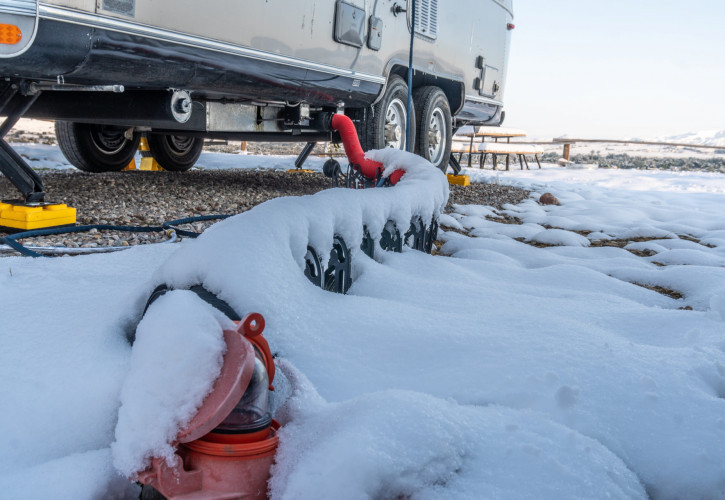
As the chill of winter comes around, it’s a great time to start thinking about preparing your motorhome or caravan for the cold months ahead. Winterising your vehicle is a crucial step to ensure that it remains in excellent condition and is ready to hit the road when spring arrives. You may even be a keen adventurer in all weathers, all year round! In that case, you may already be well practiced at undertaking winterisation. If not, this guide will walk you through the essential steps to prepare your vehicle for winter.
Finding the Right Storage Location
One of the most critical aspects of preparing your motorhome or caravan for winter is finding the right storage location. The ideal storage location should protect your vehicle from harsh weather conditions, theft, and vandalism…
Indoor storage
If possible, store your motorhome or caravan indoors, such as in a garage or a dedicated storage facility. This type of storage offers the best protection from harsh and unforgiving winter weather, including snow, ice, and freezing temperatures.
Covered Storage
If indoor storage is not an option, it may be worth considering covered motorhome winter cover. This can include carports, custom-built covers, or parking under a sturdy awning. These options provide some protection from the elements and can be more affordable than indoor storage.
Correct elevation
Regardless of the storage type, ensure that your motorhome or caravan is parked on a level surface. Avoid low-lying areas where water can accumulate and potentially cause damage.
Draining the water system
Water is one of your vehicle’s main opponents during winter, and freezing temperatures can lead to cracked pipes, damaged faucets, and costly repairs. To prevent this, you’ll need to follow a procedure to drain the water system, helping to protect your motorhome once winter is in full swing.
1. Empty the water tanks: Start by draining the fresh water and wastewater tanks completely – the water system drain valve is usually located near the water heater. Ensure that there is no water left in the tanks to freeze.
2. Remove and bypass water filters: Remove any water filters and bypass them to prevent water from getting trapped in the filtration system. If you have a carbon filter, ignore this until after the motorhome has been brought back out of its winter storage and the water system has been sterilised when you first begin using your vehicle again.
3. Open faucets and drains: Open all the faucets and water drains inside your motorhome or caravan. Make sure you drain all the water lines, including the hot water tank and outdoor shower.
4. Leave taps fully open: Ensure this step is taken to prevent any water from being trapped inside the tap body – this prevents small pockets of water freezing over and damaging the pipework.
5. Use non-toxic antifreeze: To protect against residual water in the plumbing, use non-toxic RV antifreeze. Pump it through the system until it flows out of each faucet and drain. Be sure to follow the manufacturer’s instructions for safe use.
Thorough Interior Cleaning
Damp is the enemy when it comes to maintaining your motorhome and preparing it for the winter. Even a small amount of moisture can lead to mould, mildew, and unpleasant odours. There are, though, a number of steps you can take to help prevent damp before it gets out of control
1. Remove Perishables
Empty your refrigerator and cupboards of any perishable items. Clean the fridge thoroughly and leave the doors open to prevent unwanted odours.
2. Clean and Dry Surfaces
Clean all surfaces, including worktops, bathroom fixtures, and appliances. Ensure they are completely dry before you put your vehicle into winter storage (if this is your plan).
3. Remove Soft Furnishings
Take out any cushions, mattresses, and curtains that could be prone to dampness. Store them in a dry, temperature-controlled location.
4. Use Moisture Absorbers
Place moisture absorbing products, such as desiccant packets or dehumidifiers inside your motorhome or caravan to help control humidity levels.
5. Check for Leaks
Before turning off the propane cylinder valve, perform a leak check using soapy water. Apply the soapy water to the connections and watch for bubbles. If you notice bubbles, there may be a leak that needs to be addressed before storage.
6. Close All Gas Appliances
Propane gas is used in so many motorhomes and caravans for heating, cooking, and refrigeration. Ensure all propane appliances, including stoves, ovens, and refrigerators, are turned off.
7. Turn Off the Propane Cylinder Valve
Before winter storage, it’s essential to check and address the propane system. Locate the propane cylinder and turn the valve to the closed position. This prevents any gas from escaping during storage. Check all valves on gas cylinders are closed, and that caps/cloths are fitted over any open pipework.
Preparing your vehicle for winter is essential to ensure it remains in top condition, ready for your next adventure when the weather improves. Adequate winter motorhome/caravan storage, draining the water system, thorough interior cleaning, and checking the propane system are all crucial steps to help protect your investment and avoid costly repairs. By following these guidelines, you can enjoy peace of mind throughout the winter months, knowing that your motorhome or caravan is safe and ready for another season of holidaying.

Written by Charlie Holland

Vogue
Exclusive Vogue - a special for everyone!
View our selection of Vogue special edition leisure vehicles available, only found here at Spinney.
Spinney branches
Spinney dealership