Luxury Motorhome Touring in France: Routes, Stopovers and Key Considerations
Published: 12th May 2026 Last updated 1 days ago
- What is an Aire?
- Do I Need a Special Licence to Drive my Motorhome in France?
- What Are the Key Requirements for Driving my Motorhome in France?
- Do I Need Different Tyres for Driving my Motorhome in France?
- What Are the Rules for Driving my Motorhome in France?
- Route & Stopover Ideas for Driving my Motorhome in France
- Tips for Touring in France
Planning a luxury motorhome tour through France offers the freedom to experience the country at your own pace; combining scenic routes, relaxing stopovers, and the comfort of travelling with everything you need close at hand. From vineyards and dramatic coastlines to mountain passes and historic towns, touring through France can be tailored to suit your style of touring.
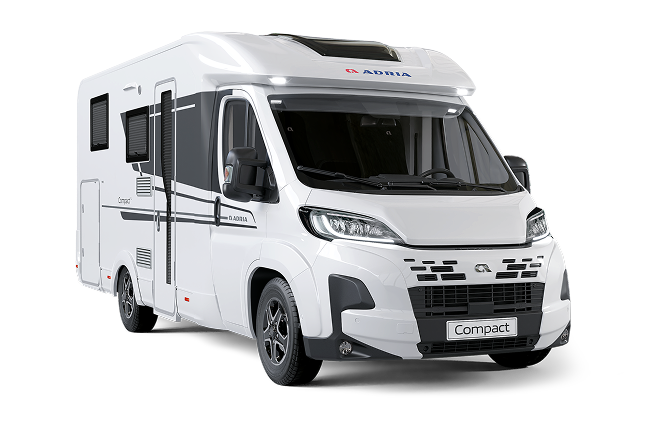
Choosing the right vehicle is just as important as selecting the route itself. Spacious luxury layouts, premium a-class and coachbuilt models, and practical options ranging from 2 berth motorhomes to larger family friendly 4 berth and 5+ berths designs all bring different advantages. In this blog, we explore some of France’s best touring routes, recommended stopovers and the key considerations to help you make the most of your journey.
What is an Aire?
One of the biggest advantages of touring France by motorhome is the country’s extensive network of Aires. An Aire is a designated stopover area designed specifically for motorhomes. They provide places to park overnight or take a break during a journey. Unlike traditional campsites, Aires are generally simpler and focused on practicality, often providing essentials such as fresh water, waste disposal points and, in some locations, electricity.
Aires can be found throughout France, from the small rural villages and vineyard regions to the coastal towns and city outskirts, making them ideal for flexible touring. Some are completely free, while others charge a modest fee, and many are located within walking distance of local attractions, restaurants, and shops. For owners travelling in luxury motorhomes or larger a-class and coachbuilt models, checking space restrictions and available facilities in advance can help ensure a smoother touring experience.
Do I Need a Special Licence to Drive my Motorhome in France?
For most UK travellers, the answer is no. If you already have a standard UK driving licence, you can drive motorhomes in France without obtaining any extra qualifications. The biggest issue isn’t where you are travelling, but the weight of your motorhome. A standard Category B licence lets you to drive vehicles up to 3,500kg Maximum Authorised Mass (MAM), which covers many popular 2 berth, 4 berth and family layouts.
However, if you are travelling in a larger luxury model, premium a-class vehicle, or certain larger coachbuilt motorhomes, the overall weight may exceed 3,500kg. In these cases, you will need a Category C1 licence to legally drive vehicles between 3.5 and 7.5 tonnes. People who passed their UK driving test before January 1997 have a C1 entitlement included, but newer licence holders should check before travelling.
Before setting off for France, it’s also worth checking your vehicle’s plated weight, payload, and any towing requirements. Choosing the right motorhome from the outset can help avoid complications and ensure your trip starts smoothly.
What Are the Key Requirements for Driving my Motorhome in France?
Before setting off on a motorhome tour of France, it’s important to make sure both you and your vehicle meet the legal requirements for driving abroad. A little preparation can help avoid issues once you arrive.
Drivers need to carry a valid UK driving licence, along with proof of insurance and vehicle registration documents. Depending on the age and weight of your motorhome, you need to hold the correct licence entitlement, particularly if travelling in larger luxury, a-class or coachbuilt models. Your motorhome needs to display a UK identifier, and you should check with your insurer that European cover is included before you go.
France also has their own vehicle requirements. Everyone needs to carry reflective jackets and a warning triangle in case of breakdowns or roadside emergencies. Headlamp beam deflectors are required to adapt your lights for driving on the right-hand side of the road. If your motorhome exceeds certain weight limits, additional speed restrictions apply. Before travelling, check low emission zones and route restrictions in larger cities.
Do I Need Different Tyres for Driving my Motorhome in France?
In most cases, no. You don’t need to change your motorhome tyres specifically for travelling in France, particularly if you are touring during spring and summer. Standard tyres fitted to many new motorhomes and used motorhomes are perfect for across France, as long as they’re in good condition and meet legal tread and safety requirements.
However, your route and travel season can make a difference. If your journey includes mountain regions such as the Alps or the Pyrenees during winter months, local regulations may require winter tyres or the carrying of snow chains in certain areas. France introduced seasonal rules in some mountainous regions that can apply between November and March, with requirements varying depending on the location and weather conditions.
Before any trip abroad, inspect tyre tread depth, pressures, and sidewall condition carefully. Motorhomes often spend long periods stationary, which means tyres can age before they wear out. Checking means safer, more comfortable touring and avoids unnecessary issues on your journey.
What Are the Rules for Driving my Motorhome in France?
Driving a motorhome in France is straightforward, but the regulations are different from the UK. You have to drive on the right-hand side of the road and follow lower speed limits for larger vehicles, particularly those over 3.5 tonnes. Seat belts are mandatory, and mobile phone use is banned. It’s also compulsory to carry safety equipment including a warning triangle and hi vis jackets for all passengers.
France also has strict enforcement of drink driving laws, with lower legal alcohol limits than the UK. On motorways, toll roads are common and charges vary depending on vehicle size. Some urban areas require a Crit’Air emissions sticker, which may affect access depending on the engine classification of your motorhome.
Route & Stopover Ideas for Driving my Motorhome in France
France has clear regional routes that link scenery, culture and well-equipped stopovers. A popular northern option starts with channel crossings into Normandy, where coastal drives between Honfleur, the D Day beaches and Bayeux offer a mix of history and coastal views. From there, many routes continue west towards Brittany, where smaller roads lead through fishing ports, coastlines, and traditional villages, with Aires and campsites regularly for overnight stays.
For those heading further south, the Loire Valley provides an route between châteaux towns such as Amboise, Blois, and Saumur, before continuing towards the Dordogne or the Atlantic coast. This corridor suits both family touring and more luxury focused travel, with options ranging from compact 2 berth layouts through to larger 4 berth and 5+ berths vehicles.
A southern France route typically follows the Rhône valley towards Provence, where stopovers near Avignon, Aix en Provence, and the Luberon villages provide access to vineyards, markets and hilltop towns.
Tips for Touring in France
Planning ahead is important when travelling through France by motorhome, particularly if you want to make full use of Aires and scenic regional routes. Map out your journey broadly rather than have fixed daily schedules to allow flexibility for weather, traffic and unexpected stopovers.
Understanding local facilities is important. Aires vary in quality and services, so it is useful to carry a backup plan such as nearby campsites, especially during peak summer months. Stock up on essentials before entering rural regions in case of limited shop opening hours, particularly on Sundays and public holidays. Ensure water, fuel, and waste systems are regularly checked.
Different layouts such as a-class and coachbuilt motorhomes handle long distance touring differently, and brands such as Auto-Trail, Swift, Bailey, Elddis and Adria offer a range of specifications suited to different touring styles. Checking payload, tyre condition, and European breakdown cover before travel is essential.

Written by Charlie Holland
Frequently Asked Questions
Aires are usually first come, first served, while campsites in peak season requires advance booking.
Yes, most policies provide basic cover, but you should confirm European breakdown and full cover before travelling.
Yes, some cities have low emission zones and may require a Crit’Air sticker depending on your motorhome’s emissions class.
No, it is generally prohibited unless you have explicit permission, so use Aires or campsites instead.
- What is an Aire?
- Do I Need a Special Licence to Drive my Motorhome in France?
- What Are the Key Requirements for Driving my Motorhome in France?
- Do I Need Different Tyres for Driving my Motorhome in France?
- What Are the Rules for Driving my Motorhome in France?
- Route & Stopover Ideas for Driving my Motorhome in France
- Tips for Touring in France

Vogue
Exclusive Vogue - a special for everyone!
View our selection of Vogue special edition leisure vehicles available, only found here at Spinney.
Spinney branches
Spinney dealership