The Biggest Motorhome Parking Mistakes to Avoid
Published: 17th March 2026 Last updated 5 months ago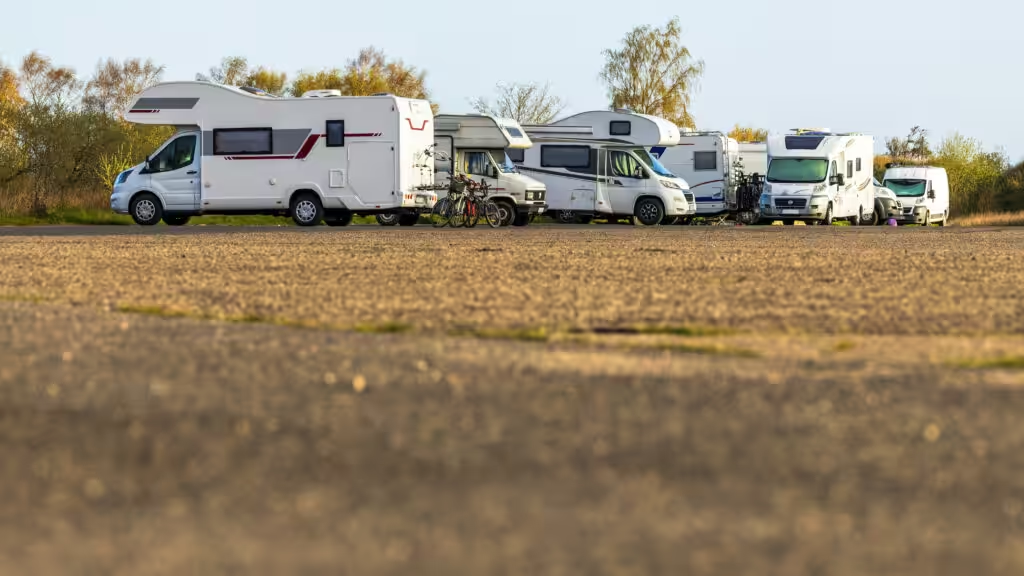
Whether you’re new to the world of motorhoming or you are a more experienced owner, there’s always something new to learn about the motorhome life. With this in mind, we have compiled a list of mistakes that can occur when parking your motorhome.
Ignoring Height and Width Restrictions
A lot of motorhome drivers will focus on the length of the vehicle and forget about the height and width. Low bridges, car park barriers and narrow lanes are frequent hazards for motorhomes. Using sat nav systems that are designed specifically for motorhomes is a good idea as it will show the restrictions for on the road and for car parks. Motorhome sat nav systems are often included in higher spec models or can be bought as additional packs, so be sure to check these when choosing your motorhome, before buying one.
Poor Positioning
Parking on uneven ground can affect comfort and functionality, for example, with fridges, they may not operate efficiently when tilted, and beds may not be as comfortable. We recommend carrying levelling ramps with you in case you need them but also make sure you check your pitch before settling down, look for a stable and flat surface where possible.
Another common example of poor positioning is overhanging the rear, this is an easy mistake to make, when drivers misjudge the size and leave the back sticking out into roads or walkways. Always be conscious of a swing-out when reversing and make sure the vehicle is within the space, if needed use a spotter or invest in extendable wind mirrors.
Relying Only on Mirrors
Of course mirrors are handy, but they don’t eliminate blind spots, especially when it comes to reversing your motorhome. If available, use reversing cameras and ask a second person to guide you where possible. Always take your time when parking up, to ensure you are parked safely and respectfully.
Blocking Access or Exit Points
This is surprisingly common mistake that people make, especially when parking in tight campsites and public areas. Be sure to check access points before committing to a space and consider how others will manoeuvre around you.
Ignoring Local Parking Regulations
It’s important to note, that not all car parks welcome motorhomes, and restrictions can vary significantly between different councils and countries. Be sure to always check signage carefully and research the local rules in advance. Fines and forced relocations can be enforced when restrictions are ignored. It’s always advised to check the local traffic and road by-laws in advance as they may change county to county and dep[end on if the car park is council owned or private.
Not Securing the Vehicle Properly
Not securing the vehicle properly can cause big mistakes to be made, for example, leaving valuables visible when parked up can attract thieves both day and night, also parking in an isolated area can cause risk of intrusion. If you are planning to leave your motorhome when it is parked up, make sure all doors, windows and roof vents are securely locked, even if it’s just for a short absence. Always engage the handbrake firmly when parked up, and if you are parked on a gradient, consider using wheel chocks.
Parking too Closely to Other Vehicles
Parking in tight spaces, especially next to other vehicles, can increase the risk of accidental damage, especially with doors, awnings or slide-outs. Some car parks will have designated motorhome spots, so where possible we would recommend using them. However, if this is not possible, make sure you always leave sufficient clearance on all sides when parking but also factor how you will live in the space.
Motorhome parking is all about awareness and planning, not just the skill of manoeuvring. Taking a few extra minutes to assess your surroundings will save you time, money and stress.

Written by Charlie Holland
Frequently Asked Questions
Always check for adequate length, width and height clearance, as well as any weight restrictions. Most car parks will have signage if there are overhead obstacles or tight spaces.
No, overnight parking rules vary depending on the location. Many councils prohibit sleeping in vehicles unless in a designated area. It’s important to always check local regulations before parking up.
Avoid soft ground, wet grass or sand when choosing where to park, unless you have traction aids. It’s recommended to check weather conditions and avoid parking in areas that may become muddy or waterlogged.


Vogue
Exclusive Vogue - a special for everyone!
View our selection of Vogue special edition leisure vehicles available, only found here at Spinney.
Spinney branches
Spinney dealership